Access Control · Supply · Install · Repair
Loop Detectors in Dubai: Inductive Vehicle Loops for Gates and Barriers
Loop detectors in Dubai sense vehicles at boom barriers, automatic gates, bollards and car park lanes using a wire loop cut into the road. They hold a barrier open while a car is under it, open an exit gate automatically and tell ticket machines a car has arrived. We install, tune and repair inductive loops and loop detectors across Dubai and Abu Dhabi.
- Open 24/7, including Fridays and holidays
- Dubai and Abu Dhabi
- No charge for the site visit
- 24/7 call-outs
- Same-day visits
- Free site visit
- Written quote first
- English and Arabic
- All major brands
How an inductive loop detector works
An inductive loop is a few turns of insulated wire laid in a slot cut into the road surface, connected by a twisted feeder cable to a detector module in the gate or barrier cabinet. The detector passes a small alternating current through the loop, creating a magnetic field just above the road.
When a vehicle's metal body sits over the loop, the loop's inductance drops and its frequency rises. The detector notices this change and switches a relay, which tells the barrier or gate controller that a vehicle is present. People, bicycles and small motorbikes usually do not trigger a well-set loop.
Safety, exit, arming and closing loops
The same hardware does different jobs depending on where the loop sits and how the controller uses its signal. A typical car park lane or community gate in Dubai uses two or three loops.
| Loop | Position | What it does |
|---|---|---|
| Safety loop | Directly under the barrier arm or gate path | Keeps the barrier or gate open while a vehicle is over it |
| Exit (free exit) loop | Inside the property before the gate | Opens the gate automatically for vehicles leaving |
| Arming (presence) loop | In front of a reader or ticket machine | Enables the reader or ticket button only when a car is there |
| Closing loop | Just past the barrier | Closes the barrier once the vehicle has cleared |
| Counting loop | In car park lanes | Counts vehicles in and out for space displays |
Loop Detectors: typical specifications
- Loop type
- Insulated wire in a sawn slot or pre-formed loop
- Typical loop size
- About 1 to 2 m long, lane width less side clearance
- Wire turns
- Usually 2 to 4 turns
- Slot depth
- Typically around 30 to 50 mm
- Feeder
- Twisted pair, commonly around 20 twists per metre
- Detector types
- Single or dual channel plug-in or DIN rail modules
- Power
- Typically 12 or 24 V, or 230 V versions
- Settings
- Sensitivity, frequency, presence time, output mode
- Outputs
- Relays for presence or pulse signals
- Uses
- Safety, exit, arming, closing and counting
Loop size, turns and installation details
Loops are usually rectangles sized to the lane, for example about 1 to 2 m long and set back roughly 300 mm from each kerb. The wire normally makes 2 to 4 turns, depending on loop size and detector. Slots are cut with a saw typically around 30 to 50 mm deep, the wire is laid at the bottom and the slot is sealed with a flexible loop sealant.
The feeder cable from the loop to the cabinet is twisted, commonly around 20 turns per metre, to reject electrical noise. Loop corners are cut at 45 degrees so the wire does not kink. Loops near each other need different detector frequencies or a multi-channel detector so they do not interfere.
- Keep loops away from steel drainage covers and manholes
- Keep a clear distance between neighbouring loops, or use a multi-channel detector
- Do not run loop feeders in the same duct as mains cables
- Pre-formed loops can be laid under new paving or interlock before it is fitted
Loops in Dubai conditions: rebar, interlock and heat
Basement ramps and podium decks in Dubai towers contain dense steel reinforcement, which reduces loop sensitivity. The detector must be tuned on site, and the loop may need more turns or a slightly shallower slot. On interlock paving common in villa driveways and communities, loops are laid in the sand bed or with pre-formed loops before the blocks are laid, because cutting interlock is unreliable.
Asphalt movement in summer heat, heavy trucks in Al Quoz, Jebel Ali and Mussafah yards, and later road works can break loop wires. A broken loop usually puts the detector into a fault state, which may keep a barrier open or stop it working.
Loop detector settings
Detectors have settings for sensitivity, frequency, presence time and output mode. Too sensitive and the barrier sees passing cars in the next lane or opens by itself; not sensitive enough and high SUVs or trucks are missed, which can bring an arm down onto a vehicle.
Presence time matters for safety loops: a vehicle waiting in a queue must be held for as long as it sits there. We set and test detectors with real vehicles, including high clearance cars, before handing over.
Where loop detectors are used in Dubai and Abu Dhabi
- Boom barriers
- Car park entry and exit lanes
- Community gates
- Villa free exit
- Automatic bollards and road blockers
- Warehouse yards
We service and repair loop detectors from brands such as BFT, CAME, Nice and FAAC, as well as most other makes found in the UAE. We are an independent service, not a dealer for these brands.
Loops vs photocells and radar
Loops sense metal vehicles reliably whatever the weather and do not get dirty, so they remain the first choice for barrier safety and free exit. Photocells see anything breaking a beam, including people, and are an essential second safety layer on gates. Radar or microwave sensors can replace loops where cutting the road is not allowed, but need careful aiming. Most good installations combine loops with photocells.
Loop detector repair
Signs of a loop problem include a barrier that will not close, opens by itself, or comes down on a car, and an exit gate that ignores vehicles. We test the loop resistance and insulation, check the detector, retune or replace it, and recut and replace a damaged loop when needed. Loops can be recut beside the old slot without replacing the barrier.
Signs a vehicle loop is failing
Loops are buried in the road surface, so faults often show up as strange barrier or gate behaviour rather than a visible problem. Watch for these signs.
- The barrier or gate behaves differently after rain or a car park wash
- The detector fault light comes on now and then, especially in the hottest hours
- Some cars are detected but small cars or high vehicles are not
- Cracks or lifted sealant along the saw cuts in the road
- Detection stops after resurfacing, line painting or other road works
- The gate opens when a vehicle passes in the next lane
Installing a new loop, step by step
A loop that is cut and sealed properly can last many years. Most problems come from rushed installs.
- Plan positionsWe mark the loop shape, feeder route and distance from the gate, barrier, steel and other loops.
- Cut the slotA saw cuts the loop slot and feeder slot to depth, with corners chamfered so the wire is not damaged.
- Clean and dryThe slot is blown clean of dust and water before any wire goes in.
- Lay the wireThe set number of turns is laid flat in the slot and the feeder is twisted all the way to the detector.
- SealThe slot is filled with a flexible sealant suited to road use and heat.
- Tune and testThe detector is set for frequency and sensitivity, then tested with real vehicles of different sizes.
Loops in different buildings and sites
Loops are used at villas, towers and industrial sites, but each needs a slightly different approach.
| Site | Common loop use | Special points |
|---|---|---|
| Villa or community gate | Free exit and safety loop | Interlock paving, pre-formed loops under the pavers |
| Tower basement car park | Arming, closing and safety loops at barriers | Steel in ramps, close-spaced lanes |
| Mall car park | Entry and exit at barriers, counting | Heavy traffic, crosstalk between lanes |
| Warehouse or logistics yard | Safety and exit loops on large gates | Trucks and trailers, long vehicle bodies |
| Hospital or clinic drop-off | Barrier control and free exit | Ambulance access, quick exit when needed |
What not to do around loops
Loops look like simple wires, but cutting or covering them carelessly is one of the most common reasons for barrier and gate faults on Dubai sites.
- Do not drill, core or saw near the loop without marking its position first
- Do not lay new asphalt or paint lines over loops without telling the maintenance company
- Do not move or add steel covers, drains or ramps over a loop
- Do not raise detector sensitivity to cure a fault; it often causes false triggering
- Never disconnect a safety loop to stop a barrier from staying open
After a loop repair or new install
Once the sealant has set, we test the loop with a range of vehicles: a small car, a large SUV and, on commercial sites, a van or truck. We check that the detector responds quickly and releases when the vehicle leaves.
We record the loop positions and settings for the site file so later works do not damage them. If detection changes after resurfacing or a heavy rain, call us and we will return to check it.
Loop Detectors: common faults and fixes
| Symptom | Likely cause | What the technician does |
|---|---|---|
| Barrier stays open | Loop detector stuck in detect or loop fault | Tests loop and detector, retunes or replaces |
| Barrier opens by itself | Sensitivity too high or interference from another loop | Adjusts sensitivity and frequency |
| Exit gate does not open | Broken loop wire or detector fault | Measures loop resistance and repairs or recuts |
| Arm comes down on high vehicles | Sensitivity too low or no photocell backup | Raises sensitivity and adds photocells |
| Detector fault light on | Open or shorted loop | Locates the break and recuts the loop |
| Intermittent detection | Loose feeder connection or water in joint | Remakes and seals the connection |
What affects the price of loop detectors
Every site is different, so we quote after a free site visit. These are the main things that change the price.
Each loop needs cutting, wire, sealant and a detector channel.
Concrete, asphalt and interlock need different methods.
Dual channel detectors cost more than single channel but save space.
Long feeders to the cabinet need more cable and ducting.
Retuning a detector is quicker than recutting a broken loop.
From enquiry to handover
- Call or WhatsAppTell us what the door or gate is doing. A photo or 10 second video helps the technician bring the right parts.
- Site visit, same day where possibleA technician inspects the whole system, not only the part that failed, and tests safety devices.
- Clear written quoteYou see what failed, the options and the price before any work starts. No obligation.
- Repair, test and handoverWe fix, balance and test the door or gate, show you the manual release and clean up.
Recent access control jobs by our team
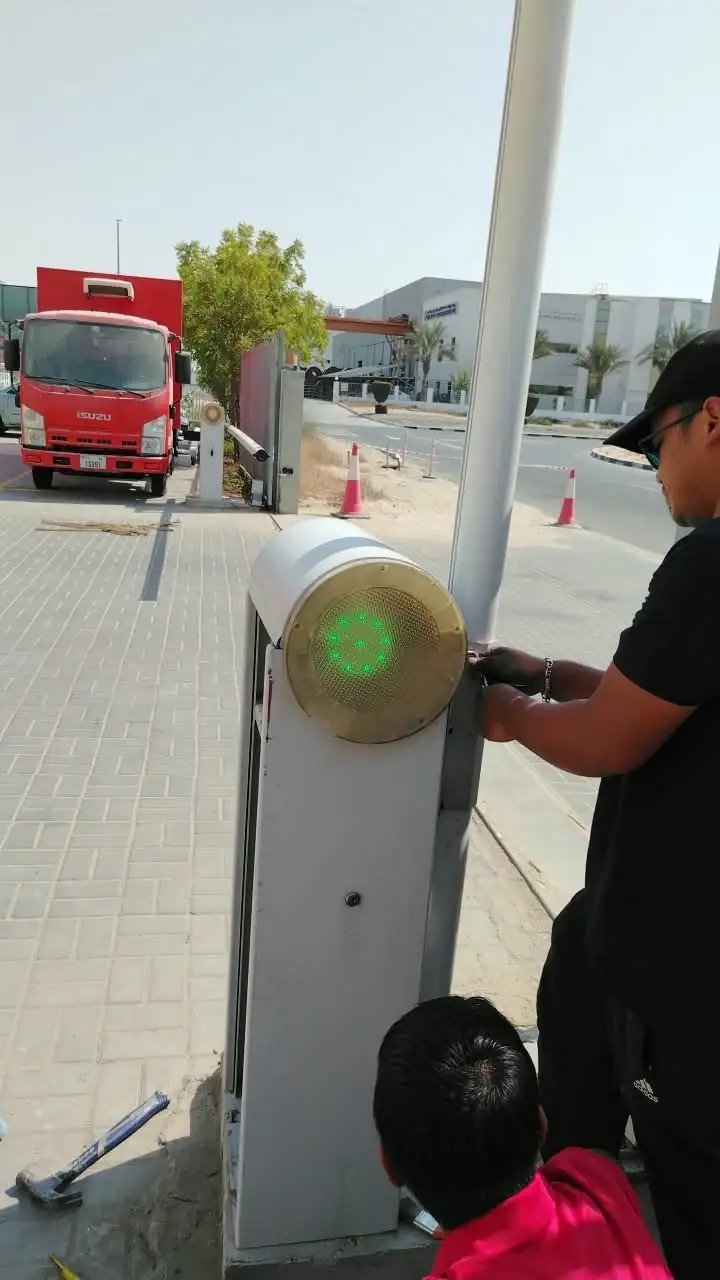
Gate barrier repair, Dubai Investments Park 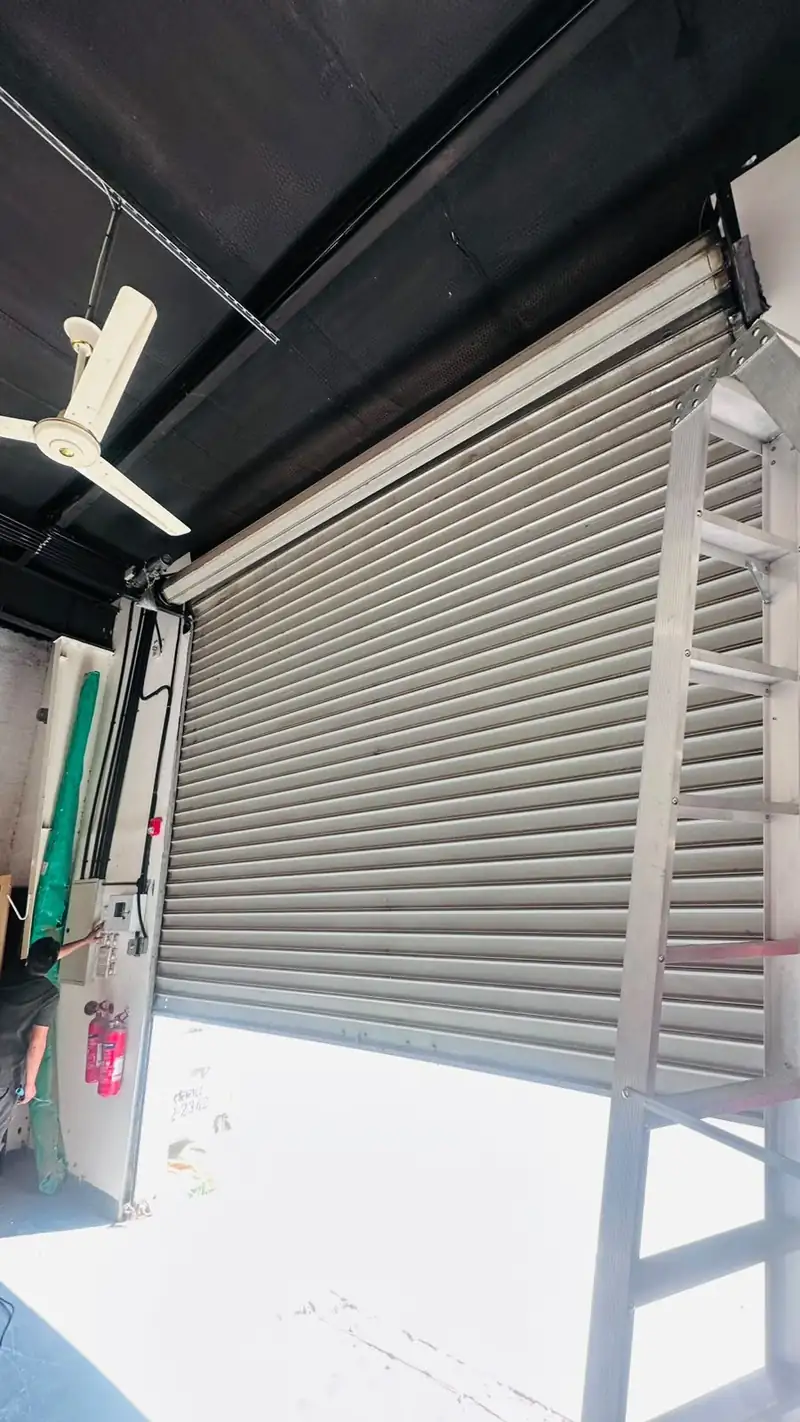
Manual rolling shutter converted to automatic, Al Quoz, Dubai 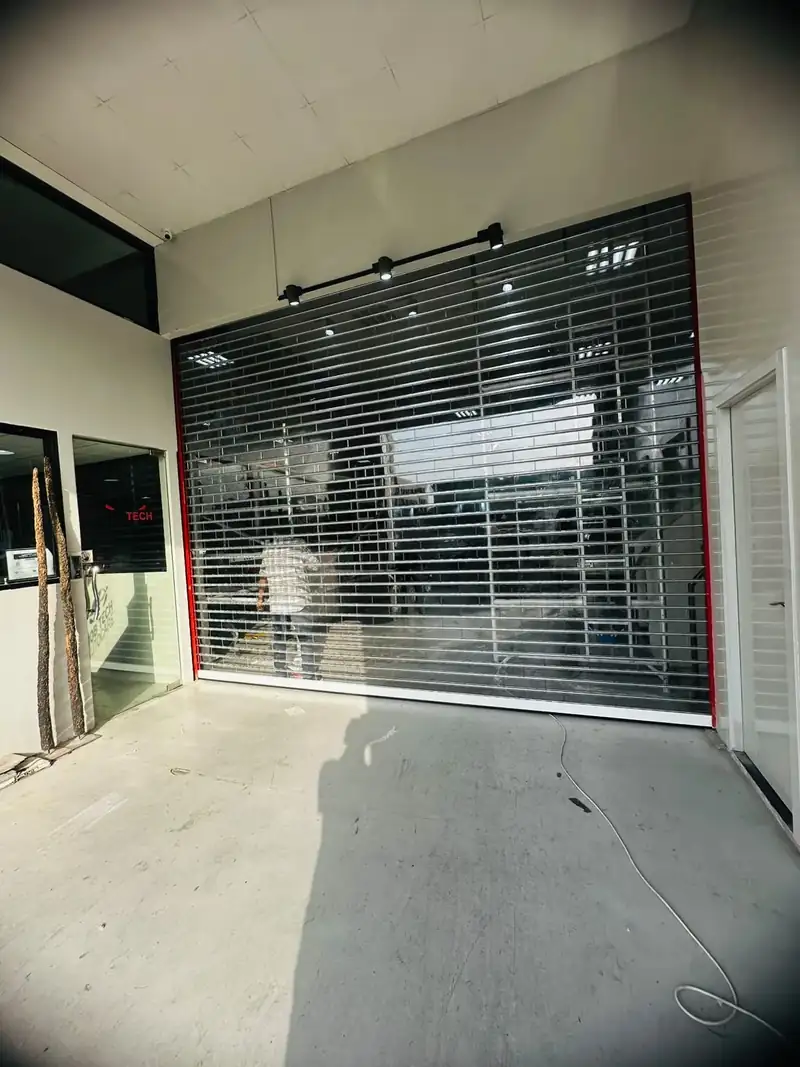
Polycarbonate rolling shutter, Al Quoz, Dubai 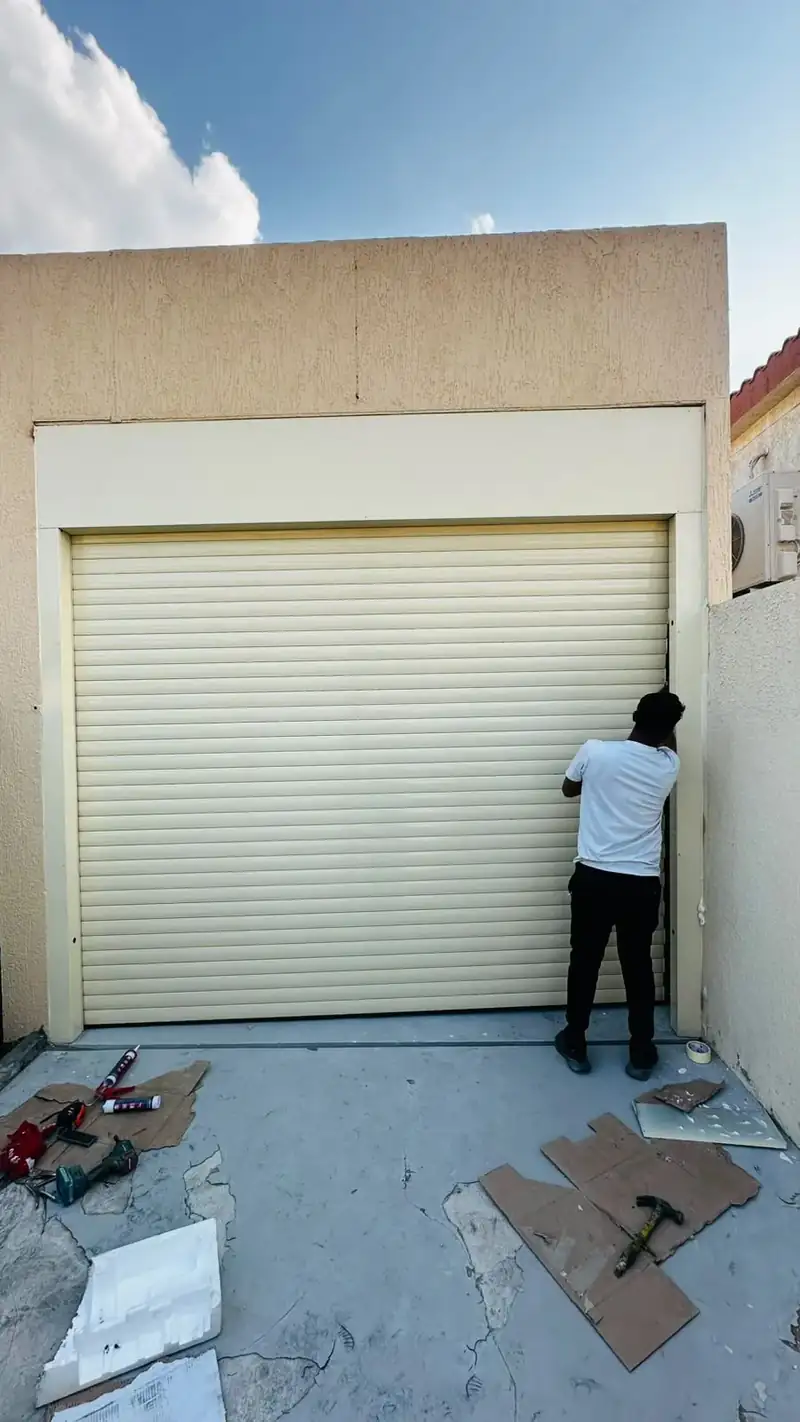
Rolling shutter installation, Fujairah 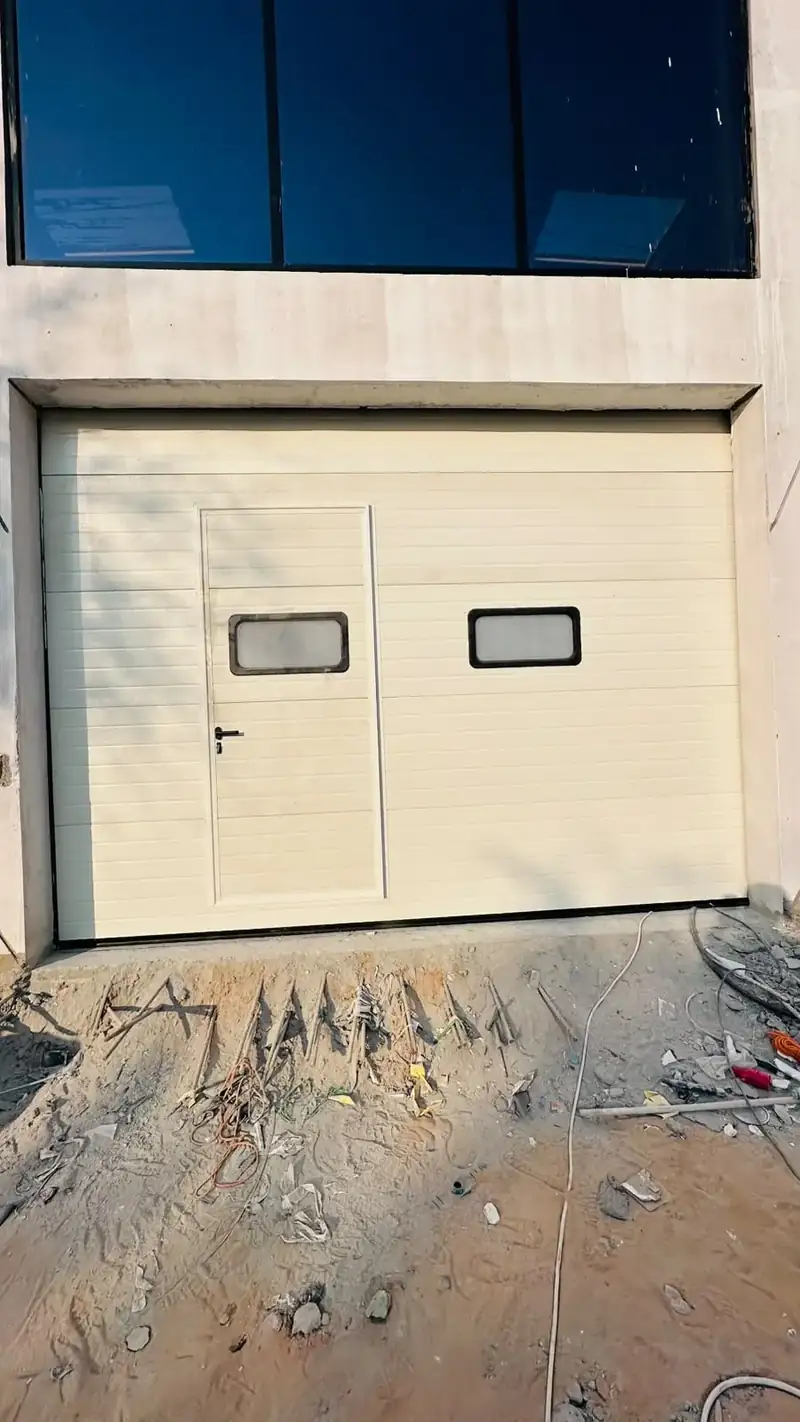
Sectional door with pass door installation, Ajman 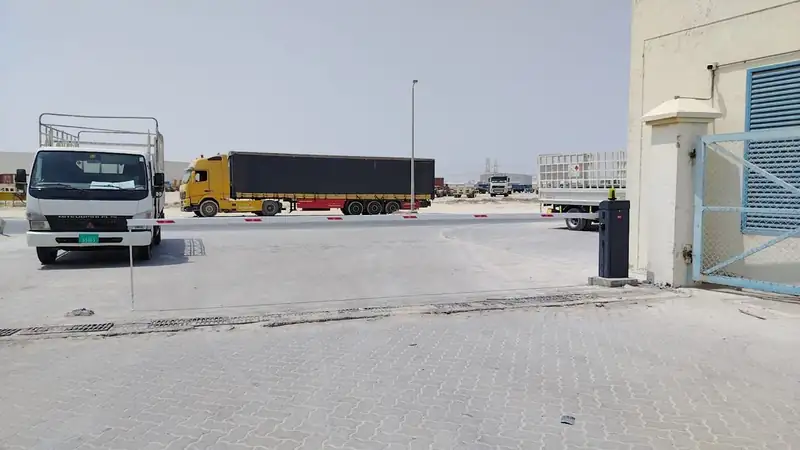
Gate barrier installation, Jebel Ali Free Zone
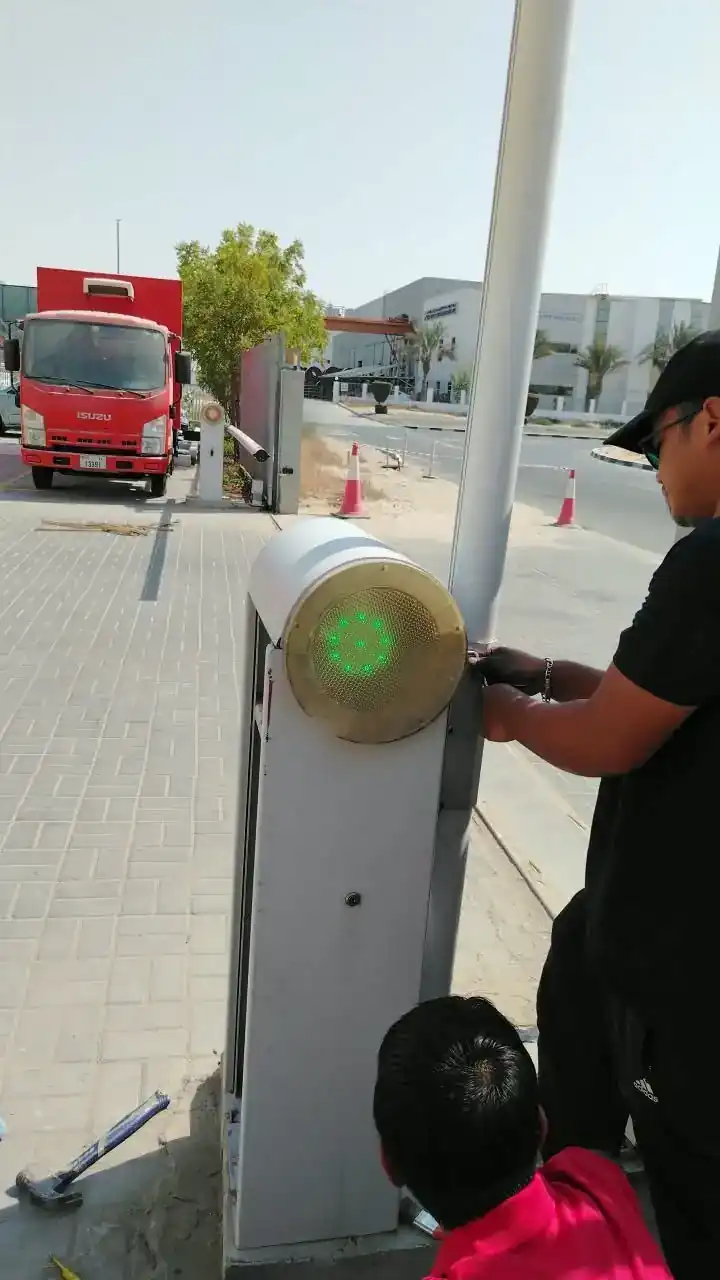
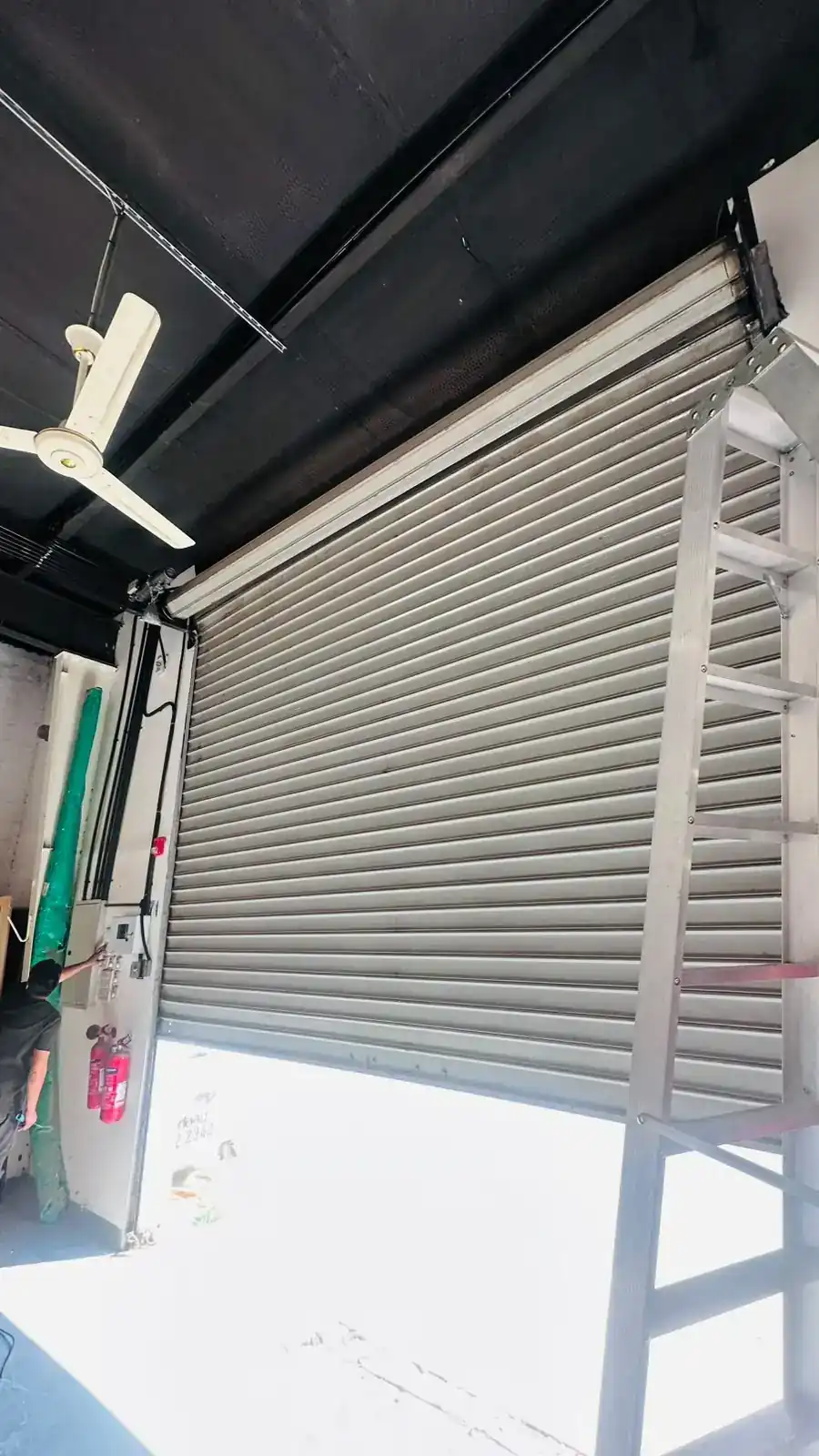
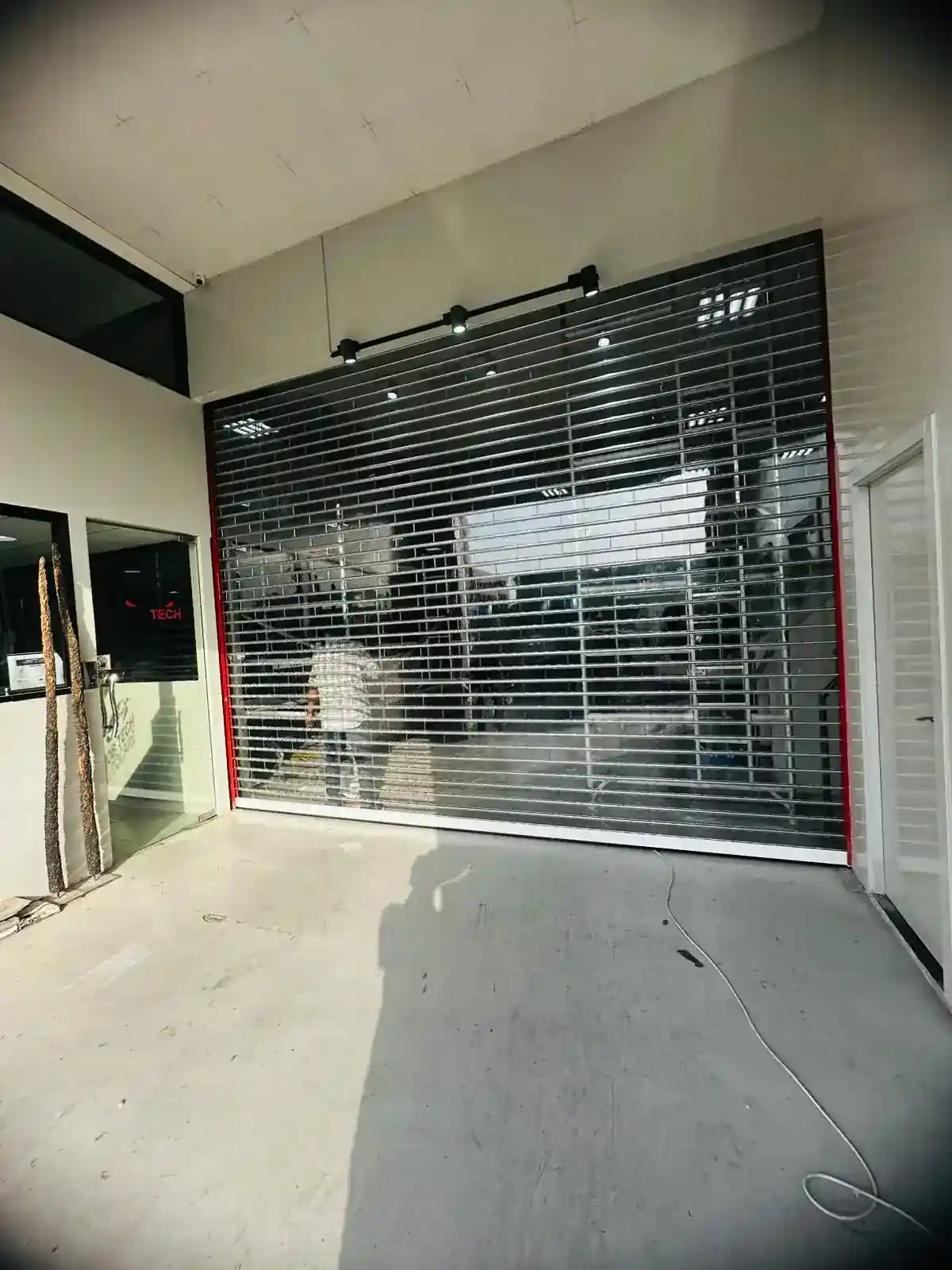
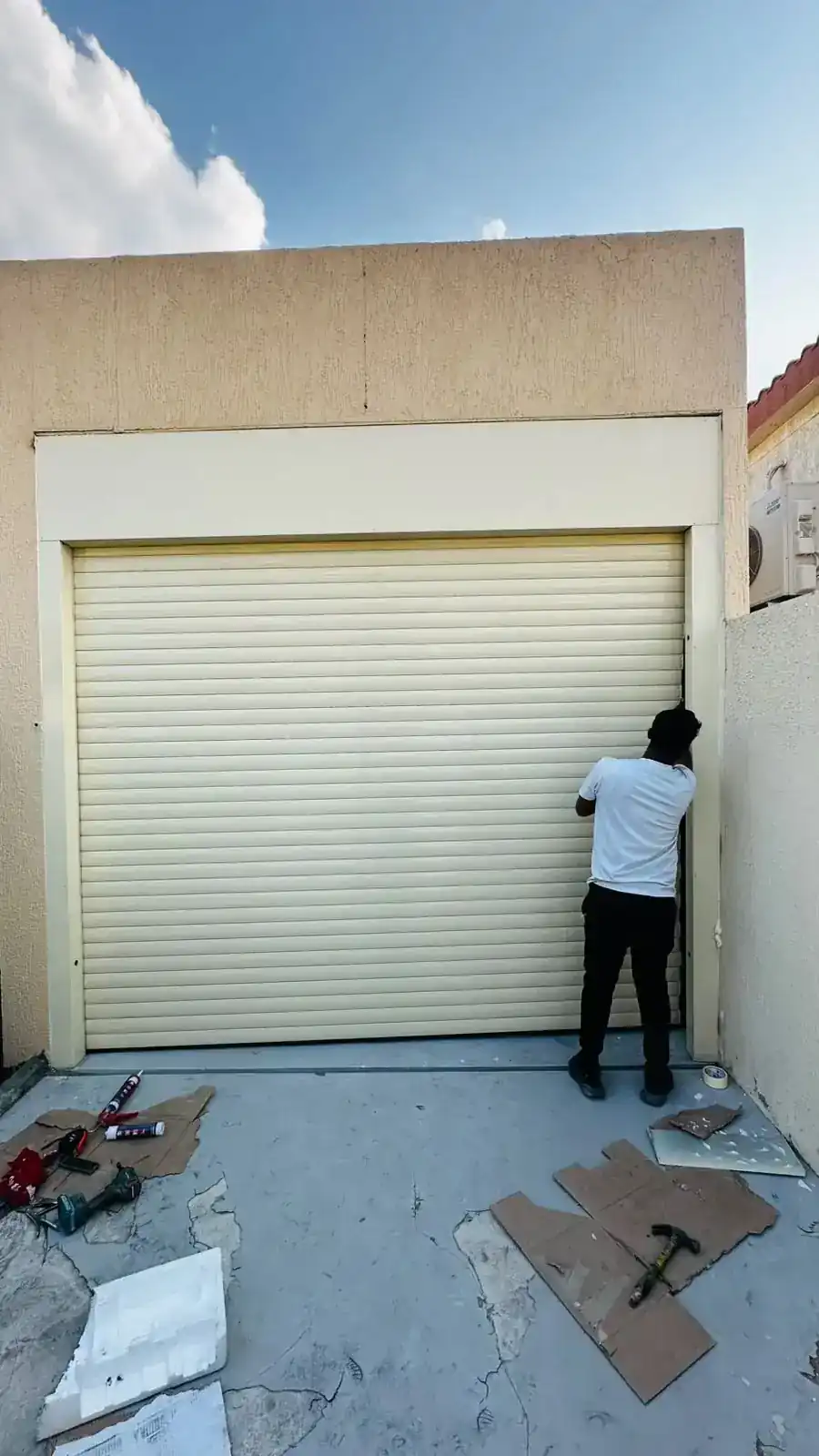
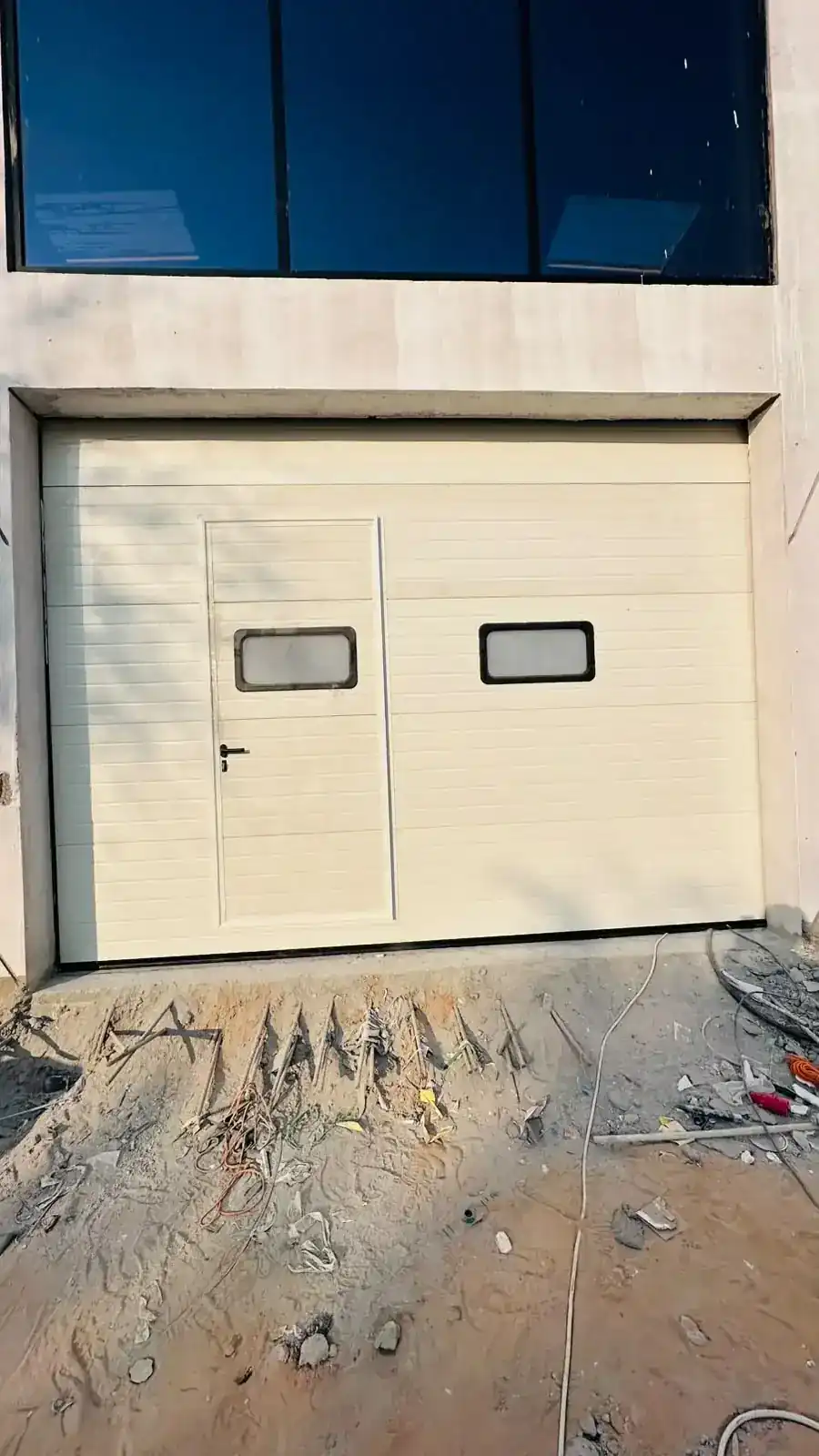
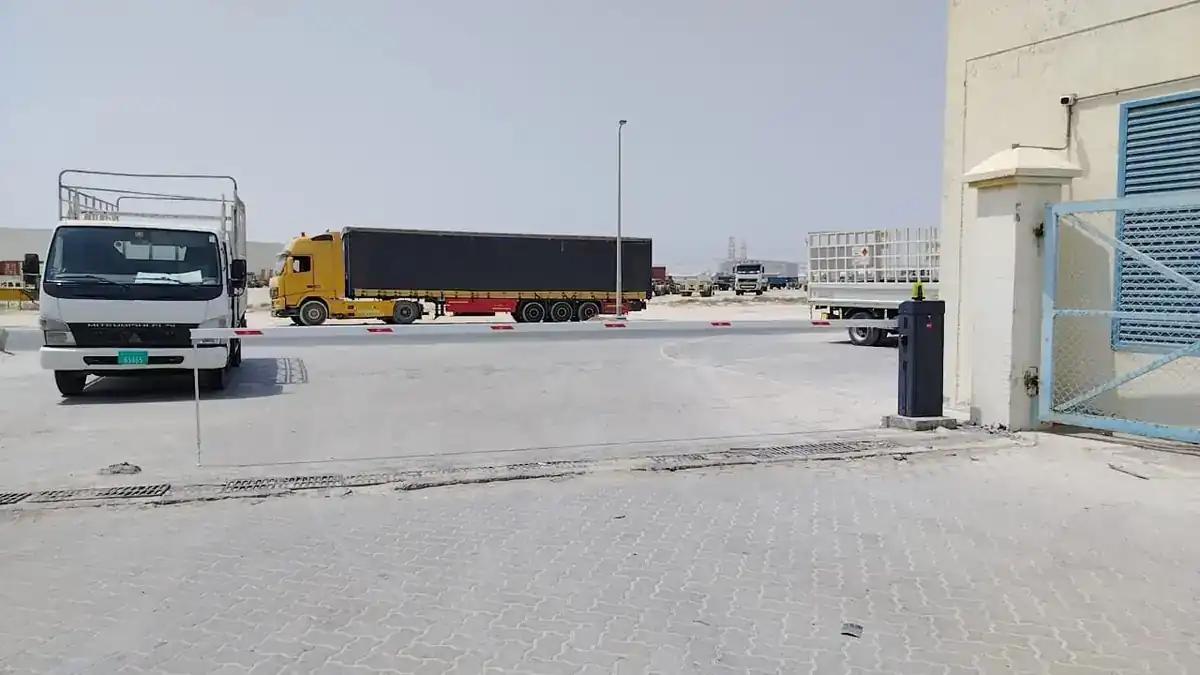
Photos from real jobs by our team across Dubai, Abu Dhabi and the northern emirates.
Related products
 Boom BarriersAutomatic boom barriers for car parks, communities and yards, with straight, articulated and fence arms.
- Parking Barrier SystemsCar park access systems combining barriers, ticket machines, RFID tags, ANPR cameras and loop detection.
 Safety PhotocellsInfrared safety photocells and safety edges that stop gates, garage doors and barriers closing on people or cars.
- Automatic BollardsAutomatic rising bollards that sink flush for authorised vehicles, plus fixed, removable and semi-automatic posts.
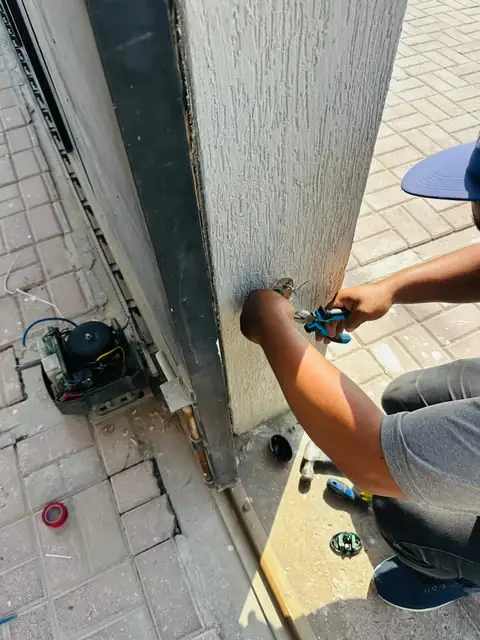
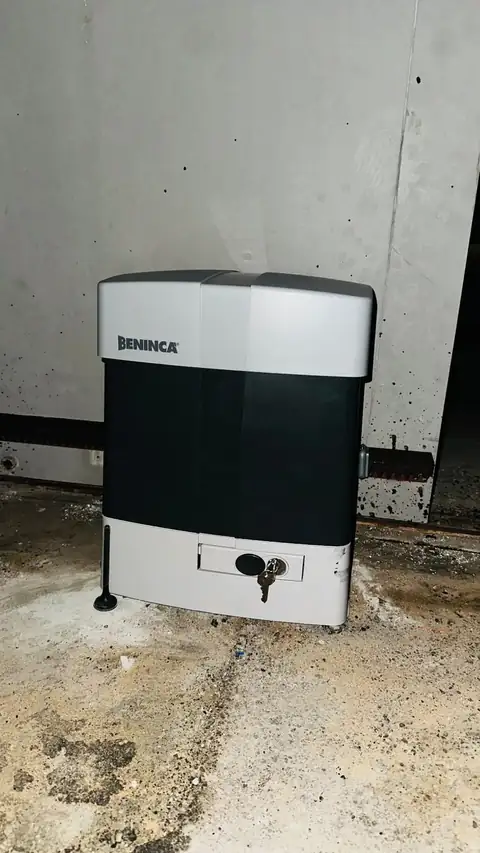 Sliding Gate Motors24 V and 230 V sliding gate motors for villas and industrial gates, fitted, upgraded and repaired.
Repair and maintenance
Already have loop detectors? We repair and maintain existing installations too, whoever fitted them.
Loop Detectors across Dubai and Abu Dhabi
Site surveys, installation and repairs in every Dubai community and Abu Dhabi district. Popular areas:
Loop Detectors: frequently asked questions
What is a loop detector used for?
It senses vehicles using a wire loop in the road. At barriers it holds the arm open while a car is underneath and closes it once the car has gone. At gates it can open automatically for vehicles leaving. It also enables readers and ticket machines.
How deep is a vehicle loop cut?
Typically around 30 to 50 mm into asphalt or concrete. The wire is laid at the bottom of the slot and sealed with flexible loop sealant. Exact depth depends on the surface and the steel reinforcement below.
Why does my barrier open with no car there?
Usually the loop detector is too sensitive or is picking up interference from a nearby loop, cable or vehicle in the next lane. A damaged loop can also cause false signals. Retuning sensitivity and frequency usually fixes it.
Can a loop detect motorbikes or people?
Loops detect metal, so people are not detected and small motorbikes may not be. That is why photocells are used as well at gates and barriers, to protect people and small vehicles.
Can loops be installed under interlock paving?
Yes, but cutting interlock is unreliable. The better method is to lay a pre-formed loop in the sand bed before the blocks go down, or under a concrete strip. We plan this with the paving contractor where possible.
What is a free exit loop?
A loop placed inside the property, a few metres before the gate. When a car drives onto it, the gate opens automatically so drivers do not need a remote to leave. It is common at communities, buildings and warehouses.
How long do loops last?
A well-installed loop can last many years. Road movement, heavy trucks, heat and later road works can break the wire. A broken loop is replaced by cutting a new slot, usually without changing the detector.
Do loops work on steel-reinforced ramps?
Yes, but the steel reduces sensitivity. The detector must be tuned on site, and the loop design may need more turns. Basement ramps in Dubai towers are a common case we handle.
Loop detector or photocell: which do I need?
Usually both. Loops are best for detecting vehicles and holding barriers open. Photocells detect people and anything breaking the beam. Combining them gives the safest result at gates and barriers.
Can you repair loops installed by others?
Yes. We test loop resistance and detector settings on any common barrier or gate system, then retune, replace the detector or recut the loop. You get a written price before any work.
Can a loop be repaired without cutting a new one?
Sometimes. If the break is in the feeder or at the detector end, it can be fixed without touching the loop itself. If the loop wire is cut or the insulation has failed under the road, a new loop is usually the reliable fix.
How long does it take to cut and install a loop?
A single loop is usually installed in a few hours, but the sealant needs time to set before vehicles drive over it. On busy sites we plan the work for quieter hours and use temporary measures to keep traffic moving.
Can loops be used on gravel or sand?
Loops need a stable surface to stay in place. On gravel or sand, a pre-formed loop can be buried in a protective duct at a fixed depth, or a concrete strip can be laid for it. Radar or photocells may be simpler alternatives.
What is crosstalk between loops?
Crosstalk happens when two loops close together, or their detectors, interfere with each other. This causes random triggers. It is solved by keeping loops apart, using different frequencies or a multi-channel detector that manages both loops.
Related searches
- access control system abu dhabi
- door access control system in dubai
- automatic bollards
- bollards
- boom barrier repair
- gate motor repair dubai
- gate motor repair
- gate maintenance abu dhabi
- gate maintenance dubai
- access control Dubai
- access control Abu Dhabi
- boom barriers Dubai
- parking barrier systems Dubai
- safety photocells Dubai
- automatic bollards Dubai
- sliding gate motors Dubai
- parking barrier repair near me
- gate motor repair near me
- gate repair near me
- أنظمة الدخول
Get a quote for loop detectors
Free site visit to measure and check the opening, then a written quote. Same-day visits wherever possible.