Barriers guide · 2026-11-23
Parking Barrier Buying Guide for Residential Buildings in Dubai and Abu Dhabi
A parking barrier decides whether residents get into their car park quickly every morning, or queue behind a barrier that ignores their tag. For a residential tower, compound or townhouse community in Dubai or Abu Dhabi, the right parking barrier system is about more than the arm. It covers how residents are identified, how visitors and deliveries get in, how cars are kept safe under the arm and what happens in a power cut. This buying guide walks owners associations, building managers and developers through each decision.
- Open 24/7, including Fridays and holidays
- Dubai and Abu Dhabi
- No charge for the site visit
In this guide
- Start with how the car park is used
- Choosing the barrier itself
- 24 V or 230 V motors
- Identifying residents: remotes, cards, RFID or ANPR
- Visitors, deliveries and moving day
- Safety: loops, photocells and breakaway arms
- Power cuts and emergency access
- Installation steps on a residential site
- What affects the cost of a parking barrier system
- Maintenance in UAE conditions
Start with how the car park is used
Before choosing any equipment, write down how the entrance is really used. A 40 unit building with one entrance has very different needs from a 400 unit tower with a shared podium car park, a retail level and visitor bays.
Count the cars at the morning and evening peaks, note whether the entrance and exit share a lane, and list who else needs access: visitors, delivery riders, taxis, maintenance contractors, moving trucks and emergency services. These answers decide the barrier speed, the duty rating and the identification method far more than the brochure does.
- Number of resident cars and peak hour traffic
- Separate entry and exit lanes, or one shared lane
- Ceiling height at the barrier position in a basement
- Visitor parking, deliveries and ride hailing drop offs
- Whether a guard is on duty all day, part of the day or never
- Power supply and data cabling at the lane
Choosing the barrier itself
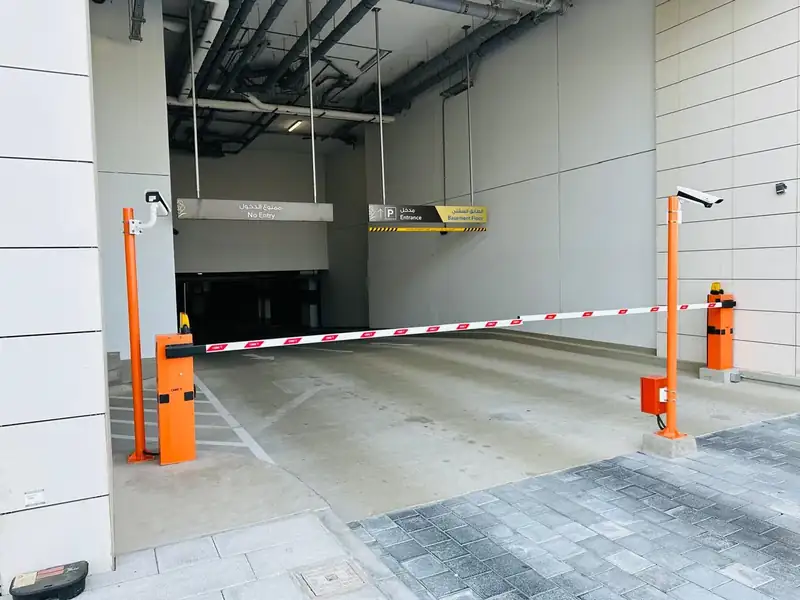
The boom barrier is a cabinet with a motor, gearbox and balance spring, plus an aluminium arm. For residential lanes, arm lengths of about 3 to 6 m are usual, and opening times of about 1 to 4 seconds keep traffic moving. Longer arms open more slowly and need a stronger balance spring.
Duty cycle matters. A barrier rated for occasional residential use can wear out quickly at a busy tower entrance that opens hundreds of times a day. Ask what duty rating the barrier carries and compare it with your peak hour count.
| Arm type | Where it suits | Points to check |
|---|---|---|
| Straight arm | Surface car parks and compound gates with open sky | Simplest and fastest, needs clear height above |
| Articulated arm | Basement entrances with low ceilings | Folds as it lifts, check ceiling height and soffit services |
| Arm with skirt or fence | Where pedestrians might duck under | Heavier arm, slower opening, more wind load |
| Arm with breakaway mount | Busy lanes where arms get hit | Arm swings off on impact rather than snapping |
24 V or 230 V motors
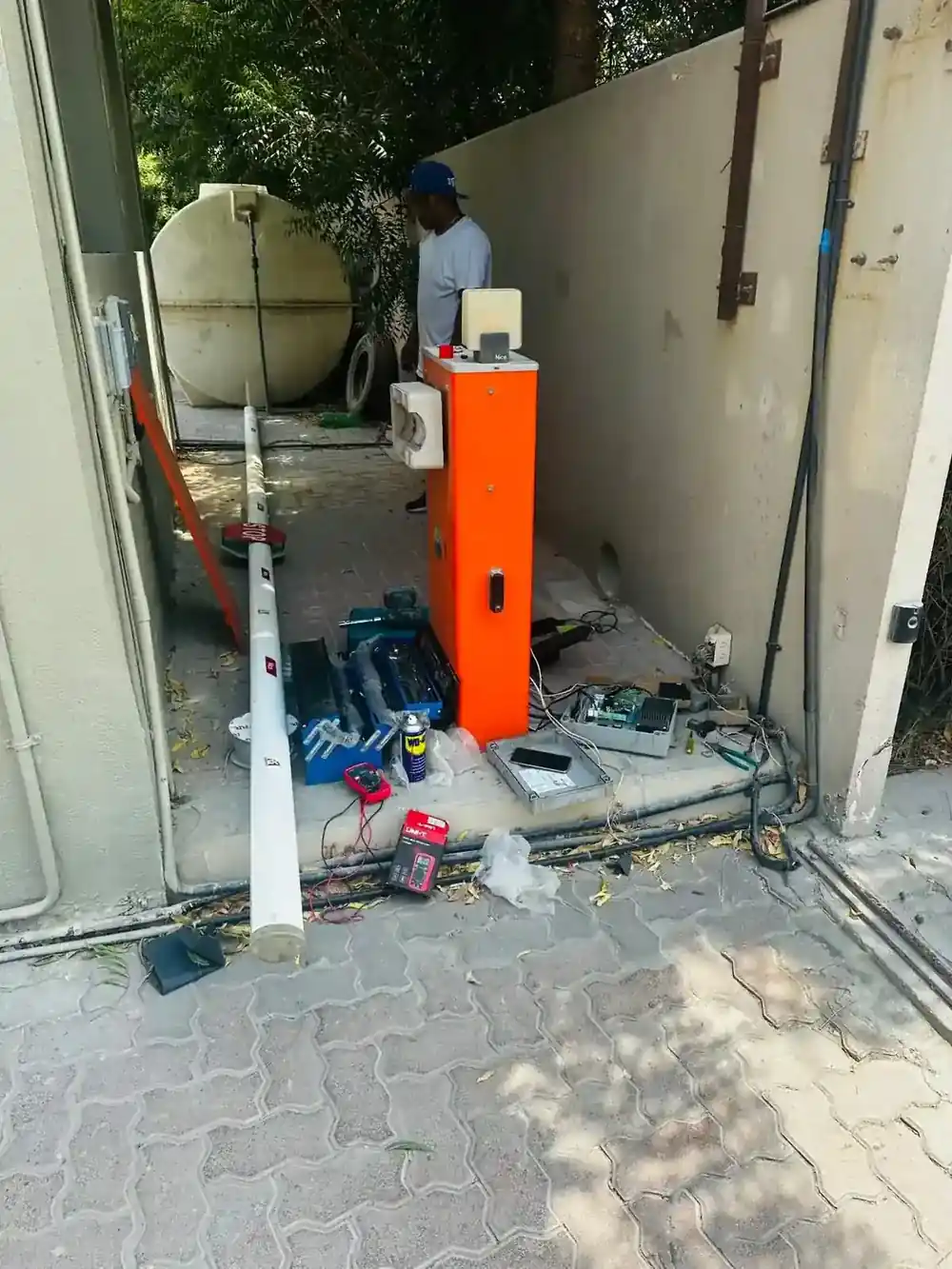
Many modern barriers use 24 V DC motors with soft start and stop, which are smooth, quiet and easy to fit with a backup battery. Traditional 230 V AC barriers are robust and simple, and still common on heavy duty lanes.
For a residential building, a 24 V barrier with battery backup is often the practical choice because DEWA or ADDC interruptions, while short, can otherwise leave residents stuck at the lane. Every barrier also has a manual release so the arm can be lifted by hand when needed.
Identifying residents: remotes, cards, RFID or ANPR
The barrier only opens when something tells it to. The choice of identification method is the biggest decision in a residential system, because it affects every resident every day and decides how the building controls who gets in.
Hands-free methods keep the lane moving and avoid residents leaning out of the window in the summer heat. They also make it easier to cancel access when a tenant moves out.
| Method | How it works | Good for | Watch out for |
|---|---|---|---|
| Remote controls | Resident presses a button | Small buildings and villas | Lost or copied remotes, hard to audit |
| Proximity cards or fobs | Card shown to a reader at window height | Low traffic lanes | Driver must reach out, slower at peaks |
| UHF RFID tags | Tag on windscreen or headlamp read from several metres | Busy residential towers | Some coated windscreens block reads, tag position matters |
| ANPR cameras | Camera reads the number plate | Large communities, visitor pre-registration | Plate condition, camera angle and low sun need care |
Visitors, deliveries and moving day
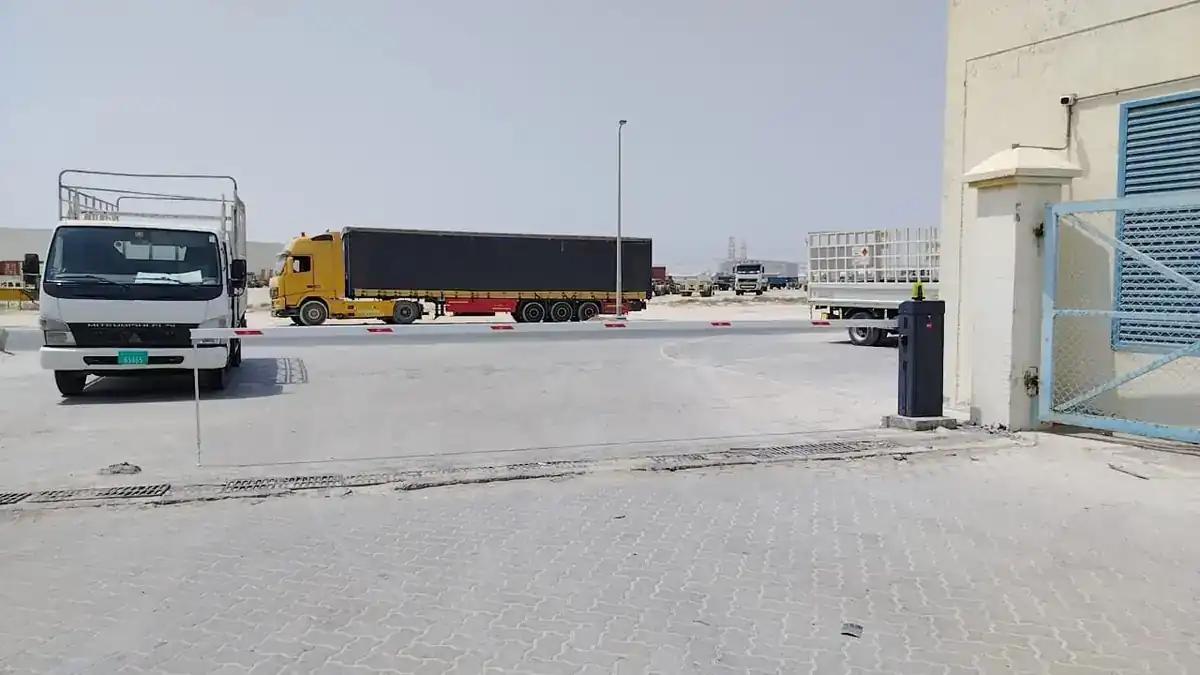
Most complaints about residential barriers come from visitors and deliveries rather than residents. Plan for them from the start, or the guard post becomes a bottleneck and riders park across the entrance.
Options include an intercom at the lane that calls the guard room or the resident, a keypad with temporary codes, ANPR with visitor plates registered in advance, or a separate visitor lane. For moving days and contractors, the building manager can issue time limited access instead of leaving the barrier up all day.
- Video intercom at the lane linked to the guard room or apartments
- Keypad with temporary or daily codes for regular contractors
- Pre-registered visitor plates on ANPR systems
- A guard button to open the barrier from the security room
- A clear lay-by for delivery riders away from the barrier
Safety: loops, photocells and breakaway arms
A barrier must never come down on a car. Inductive loops cut into the road surface sense vehicles in the lane: a safety loop under the arm keeps it up while a car is there, and a closing loop after the arm can trigger the close once the car has passed. Photocells add a second layer of protection and help detect higher vehicles.
Basements have their own challenges. Reinforced concrete slabs, metal drainage covers and interlock paving can affect loop performance, so loop size, depth and position must be planned carefully. Pedestrians should have a separate route, because a car park barrier is not designed to detect people walking under the arm.
Power cuts and emergency access
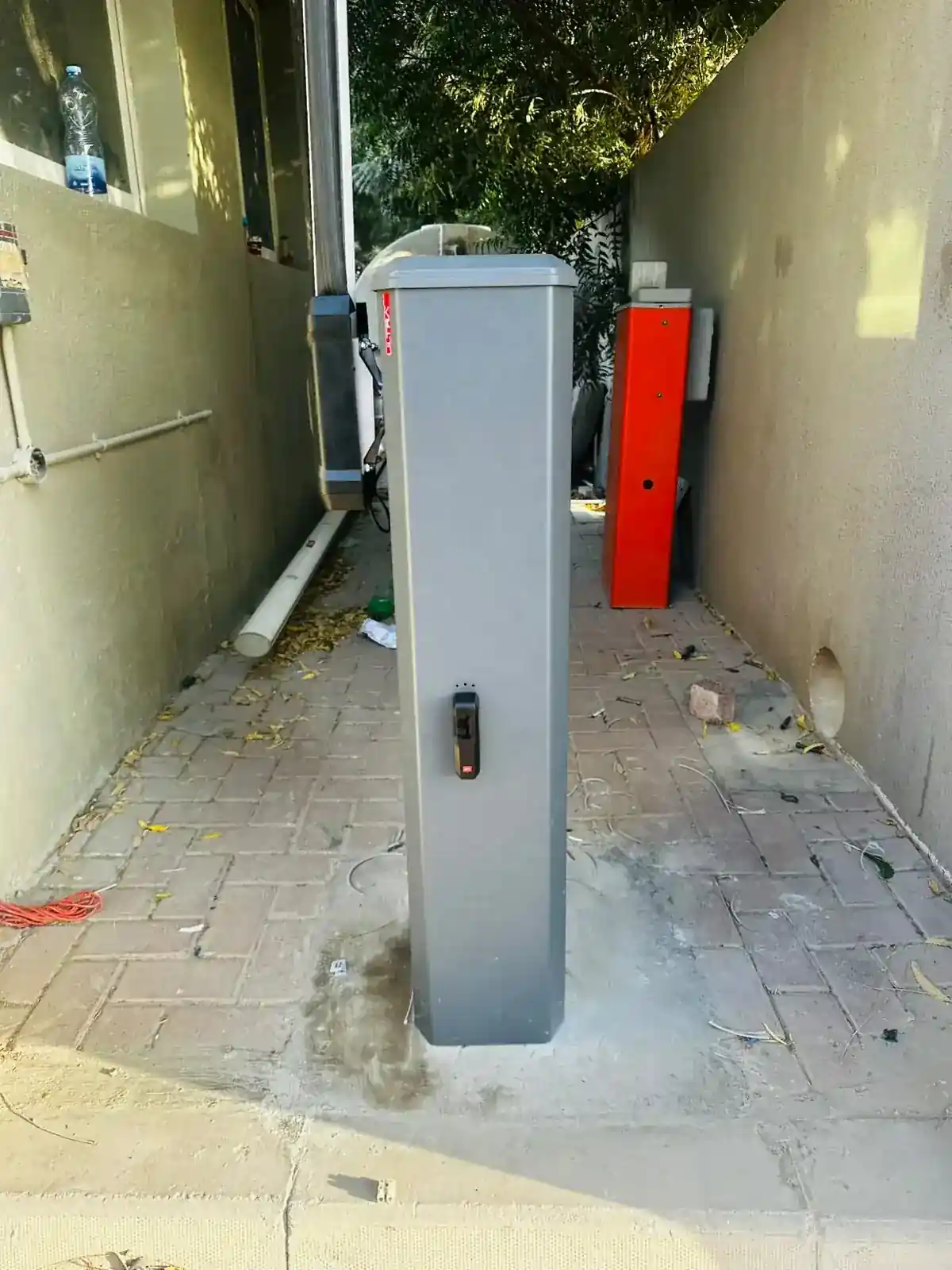
Decide in advance what the barrier should do when power is lost. Options include opening and staying up, staying closed until power returns, or running on a backup battery for a number of cycles. Many residential buildings choose battery backup so residents are not stuck, with manual release keys held by the guard or building manager.
Emergency services need a fast way in. Agree with the building's fire and safety consultant how the barrier responds to a fire alarm and how civil defence vehicles gain access. This is a building requirement, not a barrier setting to guess at.
Installation steps on a residential site
A typical residential barrier installation moves through these stages. On an occupied building, we plan the work so residents keep at least one way in and out.
- Site surveyWe measure the lane, ceiling height and kerb lines, check power and data routes and agree the identification method.
- Written quoteYou receive a written quote listing the barrier, arm, readers, loops, intercom, civil work and programming.
- Civil workA concrete plinth is formed if needed, ducts are laid and loop slots are cut and sealed.
- Fixing and wiringThe barrier is bolted down, the arm fitted and balanced, and power and control wiring connected.
- ProgrammingLoops are tuned, readers set up and resident tags, cards or plates loaded.
- Testing and handoverEvery safety device is tested with a real car, and the guard or manager is shown the manual release and user management.
What affects the cost of a parking barrier system
We do not publish fixed prices because every lane is different. These factors decide the cost, and a fair written quote should list each one so you can compare quotes like for like.
- Number of lanes and barriers, and the duty rating needed
- Arm type and length, especially articulated arms for basements
- Identification method: remotes, cards, RFID tags or ANPR
- Visitor equipment such as intercoms and keypads
- Loops, photocells and civil work for plinths and ducts
- Software, user management and links to building systems
- Battery backup and protection against power surges
- Planned servicing after the installation
Maintenance in UAE conditions
Barriers in Dubai and Abu Dhabi work in heat, dust and humidity. Sand gets into gearboxes and linkages, sun degrades cables and seals, and coastal humidity in places like Dubai Marina or Al Reem Island corrodes fixings. Arms are hit by cars more often than most owners expect.
A planned service visit every few months checks the balance spring, gearbox, loops, photocells, readers and battery, and adjusts settings before faults stop the lane. We service and repair barriers from makers including BFT, CAME, Nice and FAAC, whoever installed them.
Related pages
Related searches
More in Barriers guides.
Recent jobs by our team
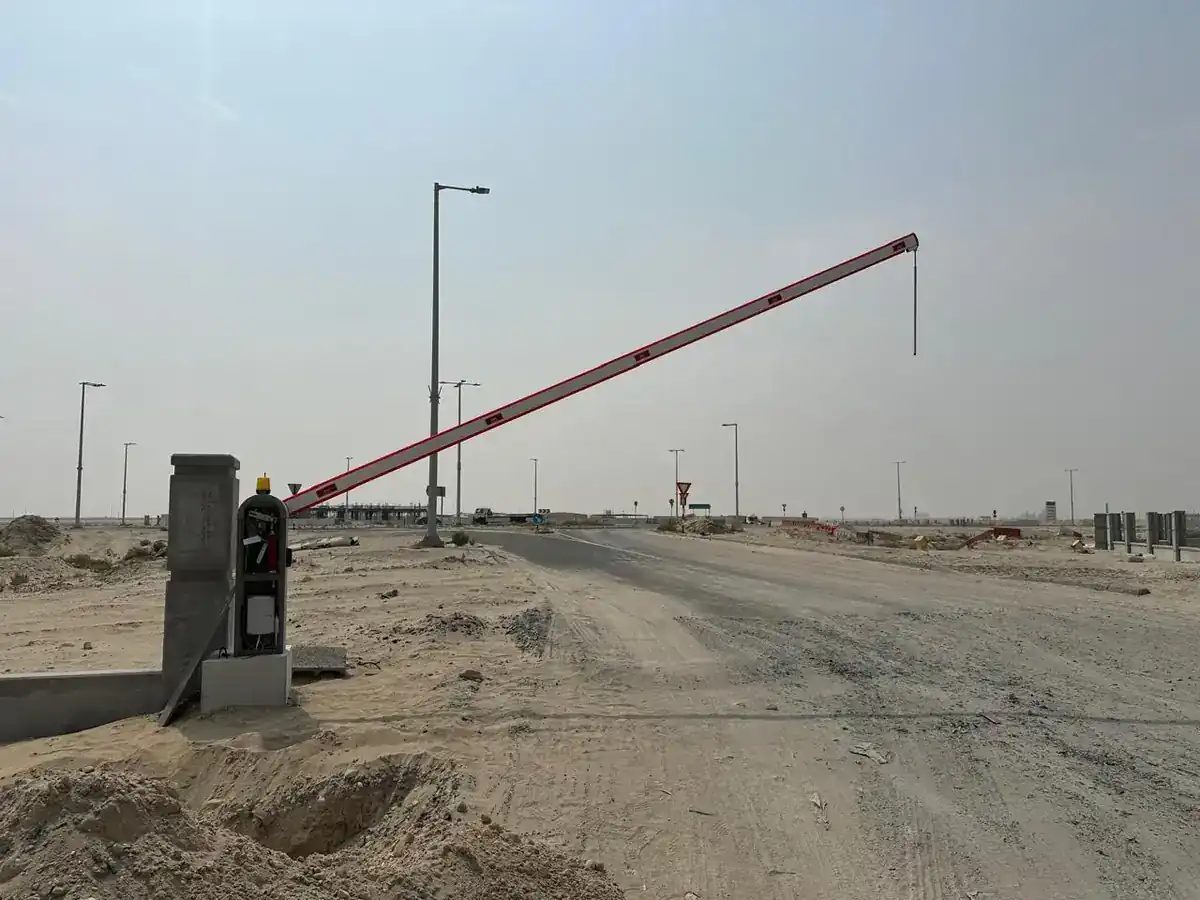
Gate barrier installation, Dubai Hills, Dubai 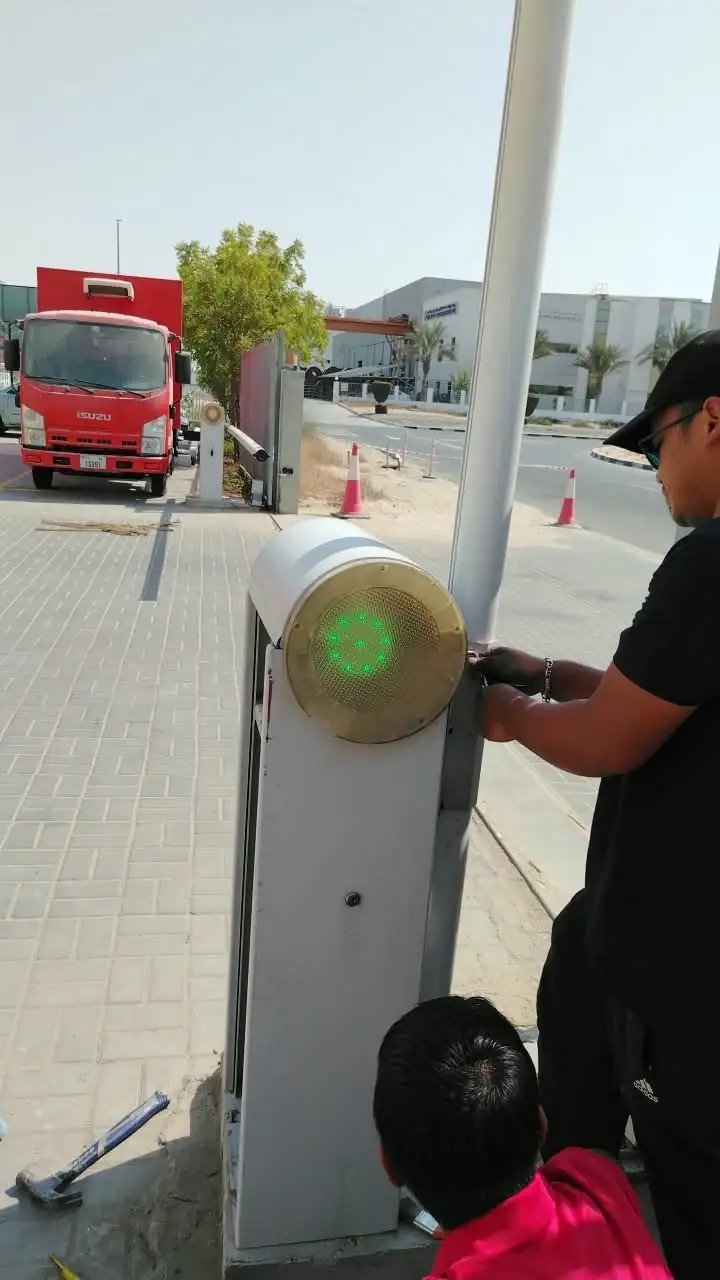
Gate barrier repair, Dubai Investments Park 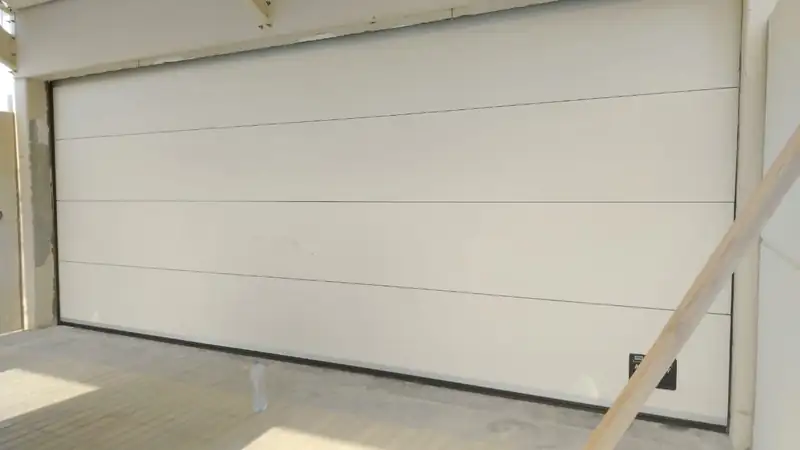
Garage door re-installation, Meydan, Dubai 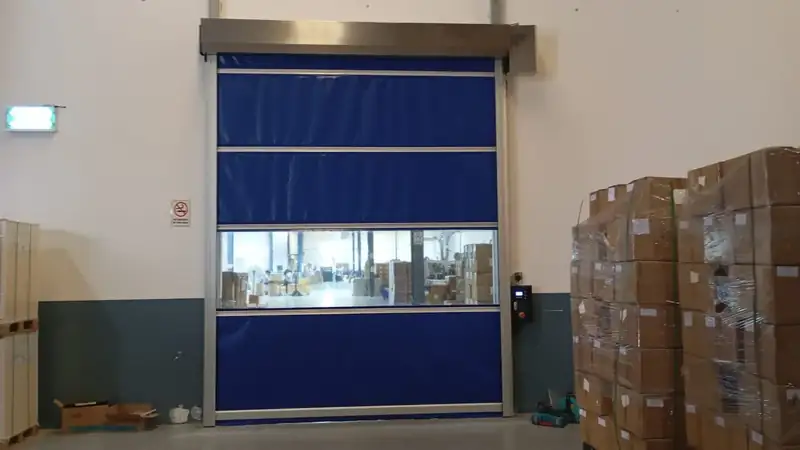
High speed door installation, Dubai Industrial City
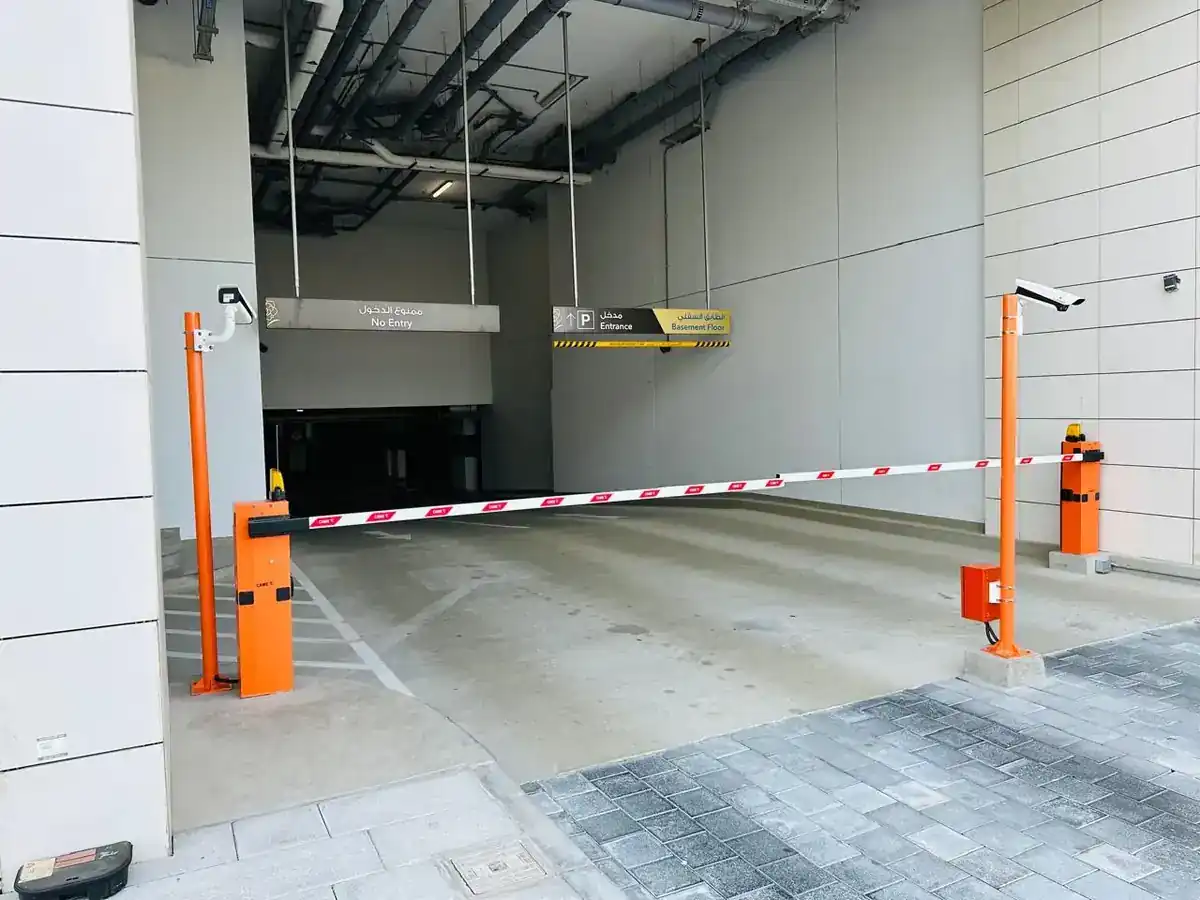
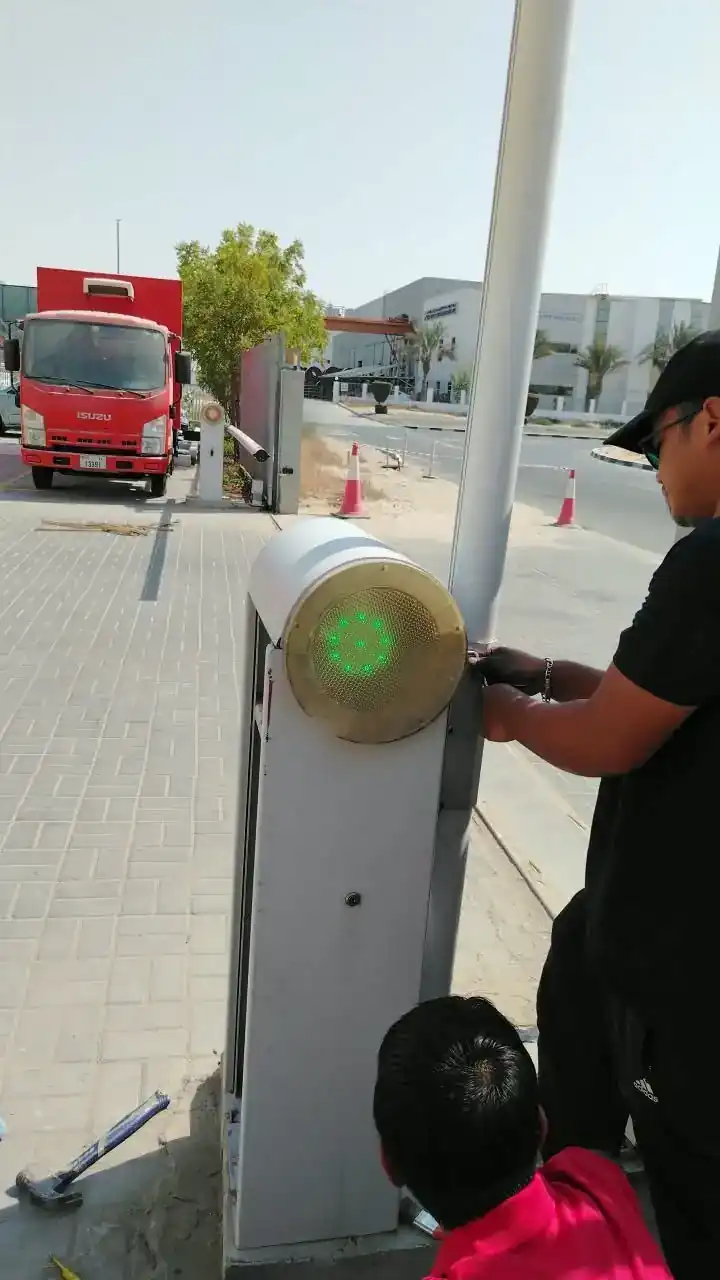
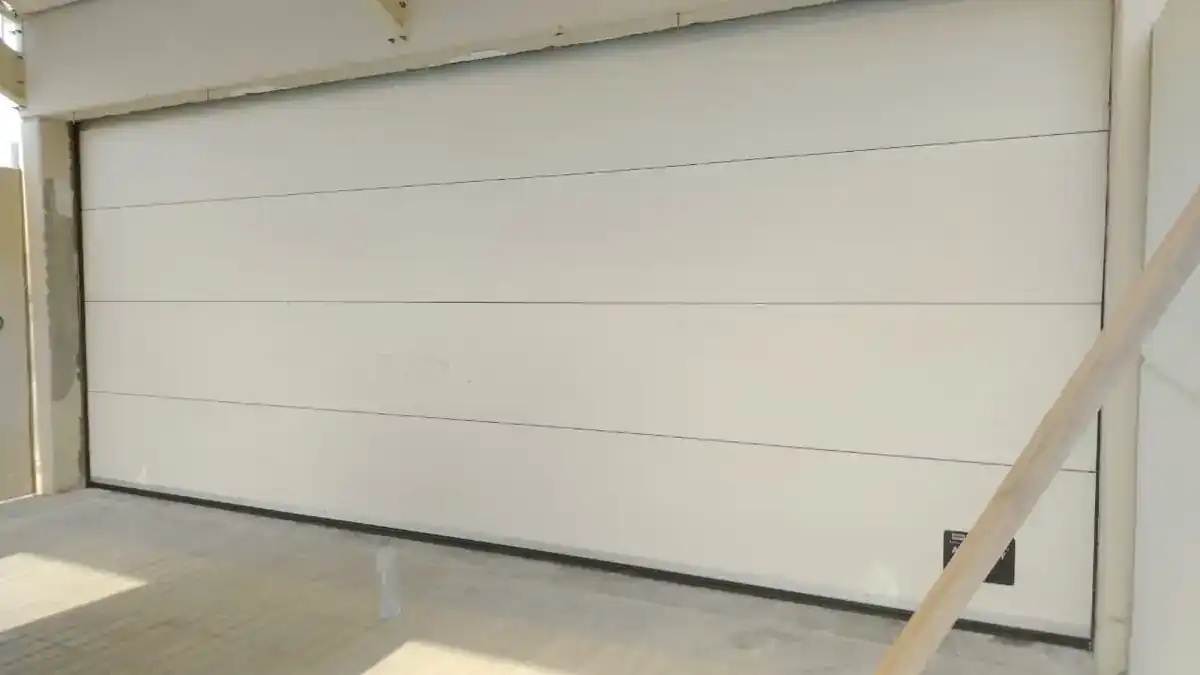
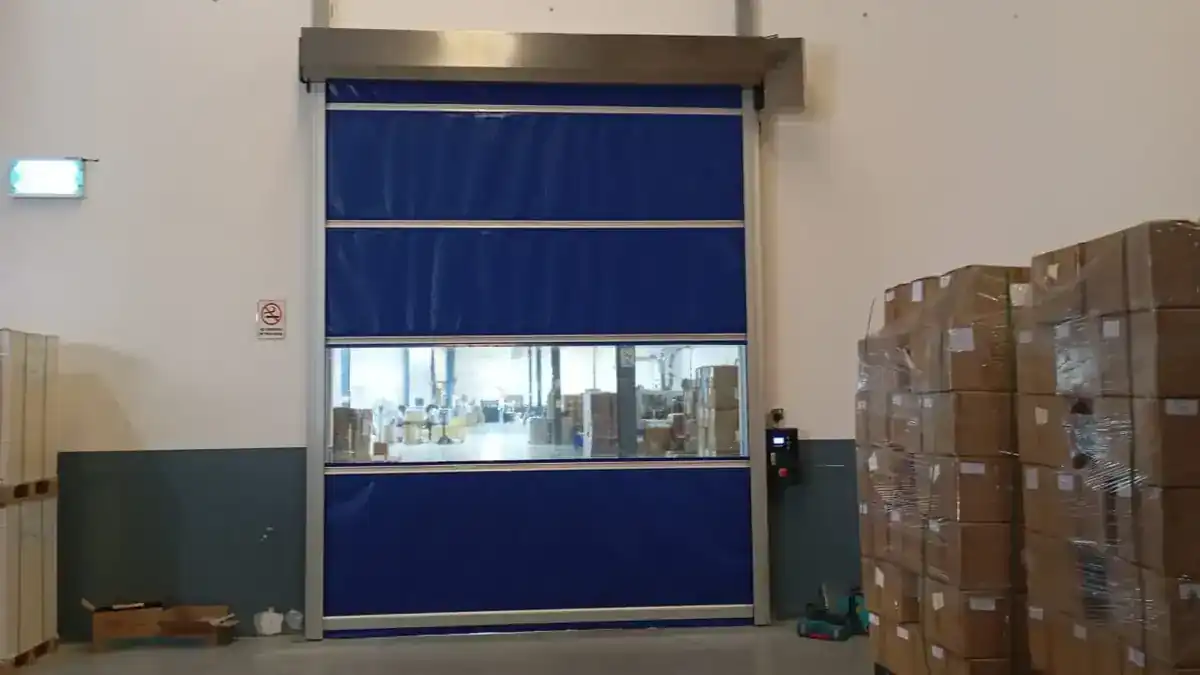
Photos from real jobs by our team across Dubai, Abu Dhabi and the northern emirates.
Questions about this topic
Which barrier is best for a basement car park with a low ceiling?
An articulated arm barrier is usually the answer. The arm folds as it rises, so it needs much less height than a straight arm. The survey checks the ceiling height, sprinkler pipes, lights and ducts above the barrier position before the arm length and fold point are chosen.
Is RFID or ANPR better for a residential tower?
UHF RFID tags are reliable and quick for residents who use the car park daily. ANPR avoids issuing tags and makes visitor pre-registration easy, but needs careful camera placement and clean plates. Many buildings use RFID for residents and an intercom or ANPR for visitors.
How do we stop residents sharing access with non-residents?
Use credentials that are hard to copy and easy to cancel, such as RFID tags tied to a vehicle or plate based ANPR. Keep the user list updated when tenants move, and use anti-passback settings where the system supports them. Remotes are the hardest to control.
What happens to the barrier during a power cut?
It depends on the barrier and how it is set. Many 24 V barriers run on a backup battery for a number of cycles. Others stay where they are until power returns. Every barrier has a manual release, so the guard or building manager can lift the arm by hand.
Can we keep our existing barrier and add RFID readers?
Often yes. If the barrier is in good condition, readers, loops and intercoms can usually be added to its controller. We check the barrier, its duty rating and the control board on site and tell you honestly if the barrier itself should be replaced.
How long does a residential barrier installation take?
A single lane with a straightforward plinth and wiring can often be installed in a day or two, plus time for loop cutting and programming. Multi-lane systems with ANPR, software and intercoms take longer. The written quote sets out the timing before work starts.
How often should a parking barrier be serviced?
For a residential building, a service every few months is typical, with more frequent visits for very busy lanes. The visit covers the arm balance, gearbox, loops, photocells, readers and backup battery, which keeps the lane running and reduces emergency call outs.
More guides
- Barrier Arm Hit or Broken: What Happens Next in Dubai and Abu DhabiBarrier arm hit or snapped in Dubai or Abu Dhabi? Make the lane safe, record the damage, and learn what the repair covers. 24/7 help on 050 495 3512.
- Access Control for Villas in Dubai and Abu Dhabi: Remotes, Keypads, Intercoms and AppsAccess control for Dubai and Abu Dhabi villas: remotes, keypads, video intercoms, cards and phone apps compared for gates and garage doors.
- Automatic and Hermetic Doors for Clinics in Dubai and Abu DhabiAutomatic and hermetic doors for clinics in Dubai and Abu Dhabi: which door suits each room, hygiene, access, power cuts and servicing. Call 050 495 3512.
- Automatic Gate Safety in Dubai: Photocells, Safety Edges and ChildrenAutomatic gate safety for Dubai and Abu Dhabi homes: how photocells, safety edges and force settings protect children, pets and cars, plus monthly checks.
- Automatic Sliding Door Not Opening or Closing: Checks for Dubai and Abu DhabiAutomatic sliding door not opening or closing in Dubai or Abu Dhabi? Safe checks for sensors, modes, power and tracks, and when to call 050 495 3512.
- Choosing a Garage Door Opener in Dubai: Chain, Belt or Shaft DriveChoosing a garage door opener in Dubai: chain, belt and shaft drives compared for noise, power, battery backup, smart control and cost factors.
Need a technician instead?
Call or WhatsApp 050 495 3512. Free site visit and a written quote before any work.